


We are living in an age where technology is advancing at a breakneck pace. From the introduction of the internet of things and AI, technology is making its way into every corner of our lives. One of the major technological advances that has changed the way we use technology is cloud computing.
Cloud computing can seem confusing and overwhelming at first. We as software testers often overlook these details. In this blog post, we’ll take a deep dive into the world of cloud computing. We’ll go over what cloud computing is, the different types of cloud computing, and the benefits that cloud computing can provide you and your organization.

What is Cloud Computing?
Simply put, cloud computing is the delivery of computing services—including servers, storage, databases, networking, software, analytics, and more—over the internet. It allows users to access their data and applications from anywhere and on any device.
Types of Cloud 🌧️:
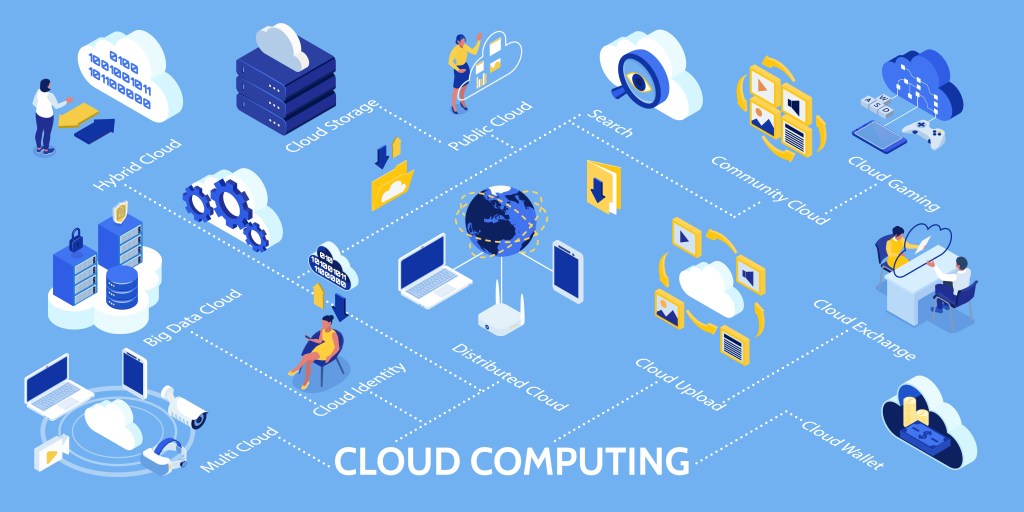
Public Cloud
This type of cloud service provides computing resources over the public internet. It allows businesses to store data and access tools and applications without having to install and maintain their own in-house systems, while benefiting from the economies of scale of the cloud service provider.
Private Cloud
This type of cloud computing provides dedicated computing resources over a private network. Data stored in the private cloud is securely managed by the owner or provider, who also has control over who can access the resources stored within the cloud.
Hybrid Cloud
This type of cloud computing uses a combination of private and public cloud computing services to build a more flexible, scalable, and secure cloud computing environment. Hybrid cloud services allow businesses to access the benefits of multiple clouds, offering a wide range of features for data storage and computing power, in a hybrid cloud computing model.
Multi Cloud
Multi-cloud is a cloud computing architecture which involves combining and using multiple public cloud services from different cloud providers in order to increase flexibility, scalability, and redundancy. An example of a multi-cloud platform is Google Cloud Platform.
Community Cloud
A community cloud is a cloud computing architecture which is shared amongst members of a group of organizations or individuals with common computing needs, who have similar security, performance and availability requirements. An example of a community cloud is the Microsoft Office 365 platform.
History of Cloud Computing 📜
The concept of cloud computing can be traced back to the 1950s, when scientists at the Massachusetts Institute of Technology began experimenting with a shared resource computing model that used a distributed network to share resources and data. The idea of combining computers scattered across different physical locations became a reality with the advent of the internet.
In the late 1990s, cloud computing began to take shape in the form of web-based services like Amazon EC2 and Salesforce. These services allowed businesses to deploy web-based applications without the need for physical servers or software installation.
Since then, cloud computing has rapidly evolved in both its scope and capabilities. It has become a mainstay in digital businesses and enterprises, offering a wide range of computing services ranging from storage and hosting to development, security and more. Today, cloud computing is one of the foundations of digital transformation initiatives, and its use is expected to continue growing as businesses become increasingly more reliant on digital solutions.
Types of Cloud Computing:
The services provided by cloud computing are divided into three main categories: Infrastructure as a Service (IaaS), Platform as a Service (PaaS), and Software as a Service (SaaS).
Infrastructure as a Service (IaaS)
IaaS is a type of cloud computing service where the cloud provider offers users access to the infrastructure, such as data storage/servers and networking components. Companies can scale up or down their use of infrastructure as needed, without needing to purchase or maintain physical hardware.
Platform as a Service (PaaS)
PaaS is a type of cloud computing service that provides an entire software development platform for users. This means that instead of having to install, configure, maintain, and upgrade their own applications and software, users can access an entire software development platform that is managed by the cloud provider. PaaS cloud platforms are designed to host applications and provide them with needed resources such as application server software, databases, and middleware.
Software as a Service (SaaS)
SaaS is a type of cloud computing service where the cloud provider offers users access to applications that can be accessed over the internet. These applications are maintained and managed by the cloud provider, and users can access them with a simple login. Examples of SaaS applications include Google Apps, Microsoft Office 365, Dropbox, and Salesforce.
The above three are the common types of Cloud Computing. Based on the technology advancements there are few other types being used as subset of the major three.
Serverless Computing
Serverless computing utilizes cloud technology to enable users to create applications and services without having to spin up and manage their own physical or virtual machines. This execution model provides the delivery of back-end or cloud services without any direct management of the given server.
Storage as a Service (STaaS)
STaaS enables users to store and access their data through a secure connection through an online cloud storage provider.
Database as a Service (DBaaS)
DBaaS is a platform to manage and store data in an easy, secure and efficient way using cloud environment.
Network as a Service (NaaS)
NaaS provides users with a cloud-based solution to extend their virtual network, allowing users to easily connect to the internet or intranet anywhere in the world.
Function as a Service (FaaS)
FaaS is a cloud service model that allows customers to deploy and run individual functions or pieces of code on demand instead of having to manage a dedicated server.
Container Platforms
Container platforms enable applications and services to be deployed and managed without any underlying infrastructure. These platforms create ‘containers’ which act as standard packages across multiple cloud environments.
Disaster Recovery as a Service (DRaaS)
Disaster Recovery as a Service provides data replication and backup to protect against the loss of data due to natural disasters, human error, or malicious attacks.
Benefits of Cloud Computing 🏆
Cloud computing offers a number of benefits to businesses, including improved scalability, increased flexibility, reduced costs, and improved security.
Scalability
The scalability offered by cloud computing allows businesses to quickly increase or decrease their computing resources as needed. Cloud computing removes the need for businesses to purchase and install additional hardware as their computing needs change.
Flexibility
Cloud computing gives businesses the flexibility to access their data and applications from anywhere and on any device. This means that workers can access their applications and data from any device, including laptops, tablets, smartphones, and more.
Increased Efficiency
With cloud computing, businesses don’t need to worry about data backups, software updates, or server maintenance. This allows them to focus on their core business activities and make the most of their resources.
Reduced Costs
With cloud computing, businesses can save money on hardware, software, and maintenance costs. Due to its economies of scale, cloud vendors provide pay-per-use services that can be quickly scaled up or down according to user demand. This reduces the cost of ownership, keeps your costs under control and offers more flexibility for organizations. Additionally, businesses can avoid making large upfront investments in hardware and software, as cloud services are usually billed on a subscription basis.
Improved Security
Cloud computing offers a number of security benefits, such as improved data backup and recovery, improved security protocols, and access to advanced security tools. It offers improved security for businesses, as the data is stored on secure, remote servers, making it more difficult for malicious actors to access it.
Elastically Provisioned Resources
Cloud computing allows resources to be provisioned according to user need, as and when required, without investing in additional hardware. This greatly reduces costs and complexity of IT infrastructure and makes the whole process much more efficient.
Increased Uptime
Cloud technology offers great reliability as data and applications are spread across multiple servers with physical redundancy. It also reduces downtime due to disasters such as fires, power failures, etc. leading to improved business continuity.
Improved Mobility
Cloud technology allows users to access their data and applications from anywhere in the world. This improves mobility and allows you to work from any device with an internet connection.
Enhanced Collaboration
Cloud technology allows teams to collaborate and share information in real time. This improves efficiency and productivity, and helps teams to stay connected and work together on projects, no matter how distributed they are.
Conclusion 👋
Cloud computing is an incredibly powerful technology that has revolutionized the way we use technology. It offers a number of benefits, including improved scalability, increased flexibility, reduced costs, and improved security. If you or your business are looking to take advantage of the power of cloud computing, then keep these benefits in mind and get started today.
Hope this is helpful for you! Stay tuned and see you with another interesting blog 🥰
P.C: Freepik.com
 The Journal of a Tester: Blog about my survival escapades 🚀